

Tofu, the creamy white soybean blocks, are a staple in many Asian cuisines. It’s nutritious, loaded with many health benefits, and comes in many shapes and firmness.
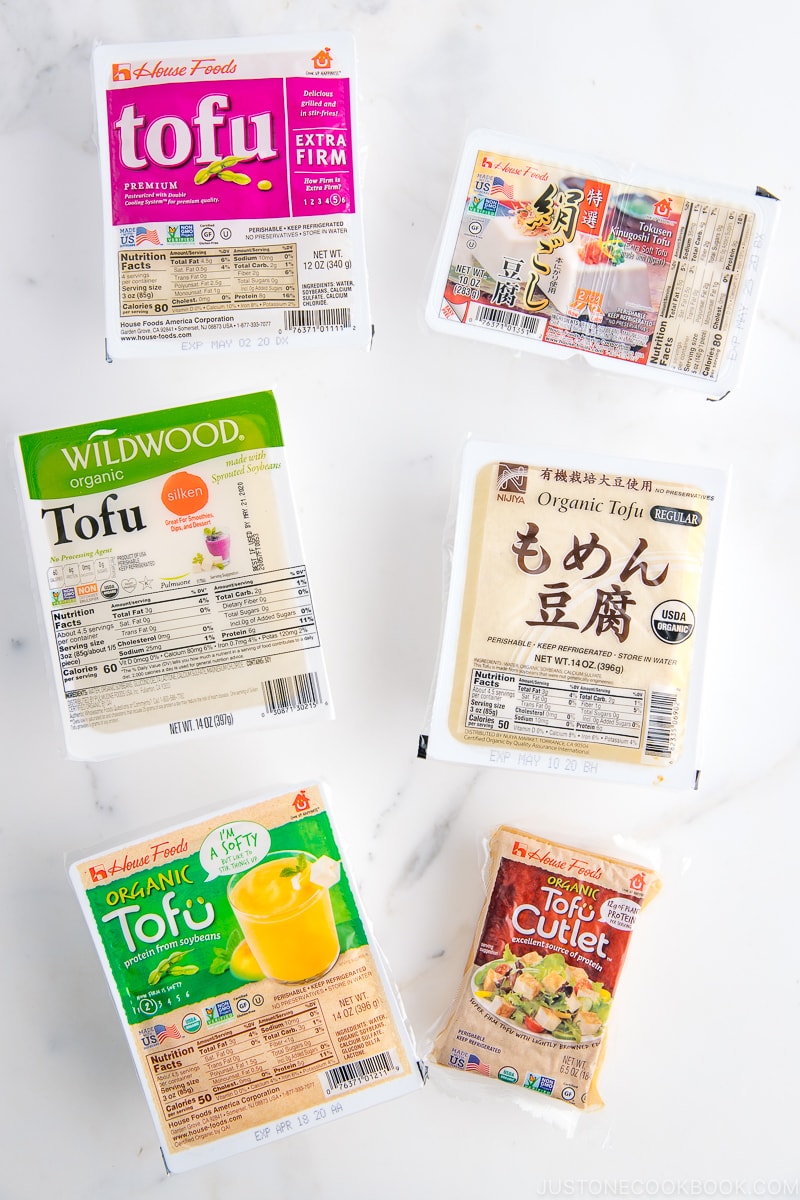
Tofu (豆腐) or bean curd has been around for a long time and is considered an ancient food for Japanese and many Asian cuisines. It may be the original meat substitute, but there’s more to it.
If you want to eat more plant-based foods, familiarize yourself with the world of tofu!
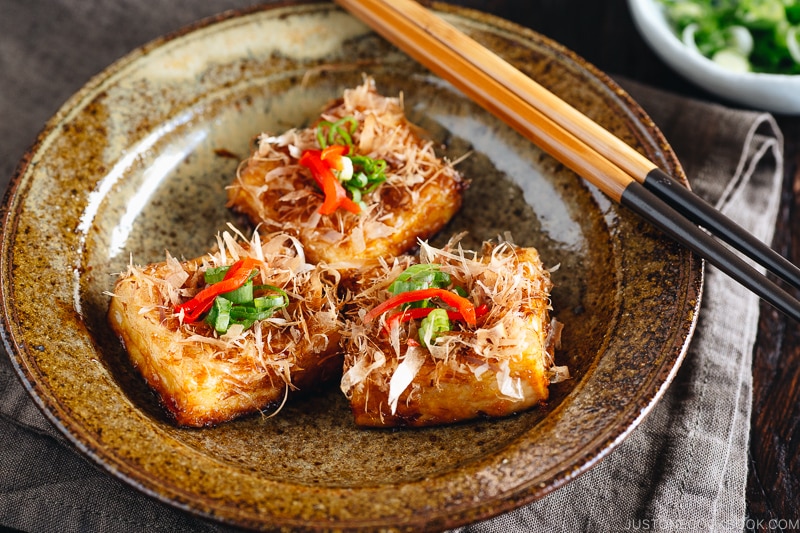
What is Tofu?
Tofu is soybean curd and a widely used plant-based protein in Japanese cooking.
Sold as soft white blocks or curds, tofu has been a staple ingredient in Japan for centuries. It’s valued for its versatility, affordability, and nutrition. Just four ounces of firm tofu provide about 9 grams of protein and only 80 calories, making it a light yet satisfying protein source.
Tofu is made using a process similar to cheese making. Whole soybeans are cooked, ground, and strained to produce soy milk. The soy milk is then coagulated and gently pressed into blocks. The amount of liquid removed determines the final texture, from silken to extra-firm tofu.
Today, tofu is a mainstream ingredient worldwide. It holds its shape well when stir-fried, deep-fried, grilled, or baked, and it absorbs flavors easily, making it suitable for both Asian and non-Asian dishes.
Tempeh is another soy-based protein made from whole, fermented soybeans. It has a firmer, chewier texture and more protein and fiber than tofu, but it’s used differently in cooking.
What Does Tofu Taste Like
Tofu has a mild, slightly beany flavor with a hint of natural sweetness. Its texture ranges from smooth and custardy to dense and firm, depending on how much water is removed and which coagulant is used.
If you’re new to tofu, it may taste bland on its own. That’s part of its appeal.
Tofu absorbs seasonings and sauces easily, which makes it incredibly versatile. It can shine as a main dish, support a meal as a simple side, or act as a hidden ingredient that improves texture. Beyond savory cooking, tofu also works well in desserts, sauces, and smoothies.
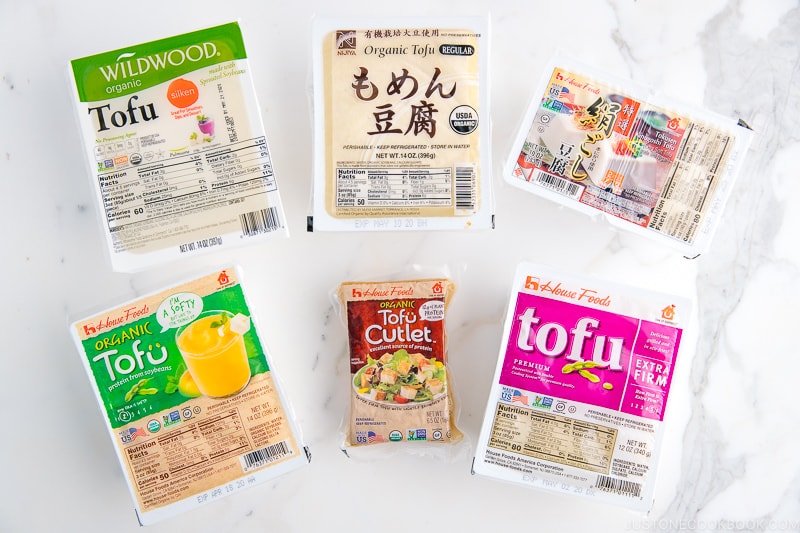
Tofu Varieties
Fresh Tofu
Fresh tofu is categorized by the amount of water pressed out during production. Less water results in a softer texture, while more water yields firmer tofu.
- Silken Tofu (kinugoshi) – It has the highest water content and a smooth, custard-like texture. It’s delicate and creamy and breaks easily. Use it in miso soup, chilled tofu (hiyayakko), sauces, dressings, and desserts.
- Soft Tofu – It is slightly firmer than silken tofu but still very tender. It works well in soups and gently simmered dishes where you want a soft bite.
- Regular tofu (momen) – It sits between soft and firm. It holds its shape better but is still tender inside. This type is common in Japanese home cooking and works well in soups and nimono.
- Firm Tofu – It has less water and a denser texture. It keeps its shape during cooking and is ideal for stir-fries, pan-frying, and simmered dishes.
- Extra-Firm Tofu – It contains the least moisture and the densest texture. It’s best for grilling, baking, deep-frying, and hearty stir-fries, especially when you want crisp edges.
- Extra-soft tofu (yose and oboro) – Jiggly.
Processed Tofu and Byproducts
- Grilled tofu (yaki tofu) – Firm momen tofu with a lightly charred surface
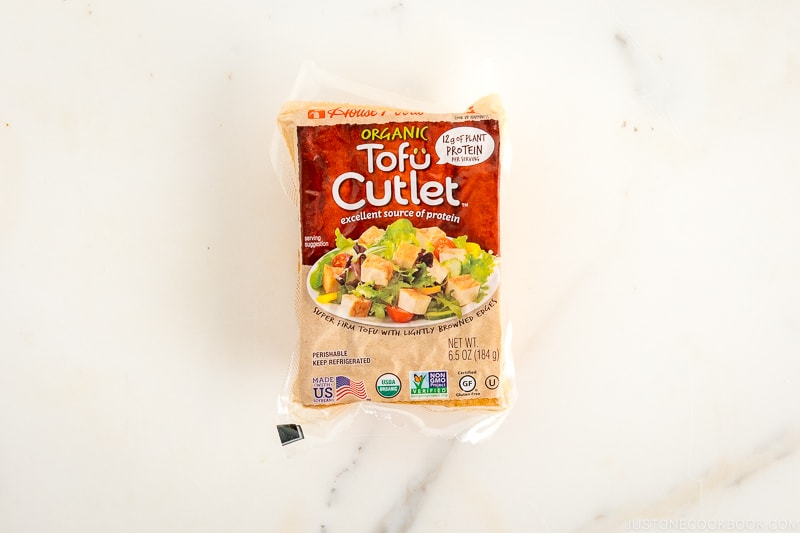
- Thick fried tofu cutlet (atsuage) – Crisp outside, soft inside
- Fried tofu pouch (aburaage) – Thin, airy, and absorbent
- Freeze-dried tofu (koyadofu) – Spongy texture that soaks up broth
- Fried tofu fritters (ganmodoki) – Savory patties mixed with vegetables
- Tofu skin (yuba) – Delicate sheets formed on heated soy milk
- Soy pulp (okara) – Moist, fiber-rich byproduct of tofu making
How to Use
Think of tofu as a blank canvas! Here are just some ideas:
- Marinate and pan-fry it.
- Slice it and put it on the grill.
- Use it in simmered dishes.
- Enjoy it cold with just a simple drizzle of soy sauce.
- Crumble and mix it with ground meat for the best-textured burger or meatballs.
- Pan fry and use it as a pizza base.
- Mash it and use it as a dressing over blanched vegetables.
- Use it in desserts!
How to Season Tofu Properly
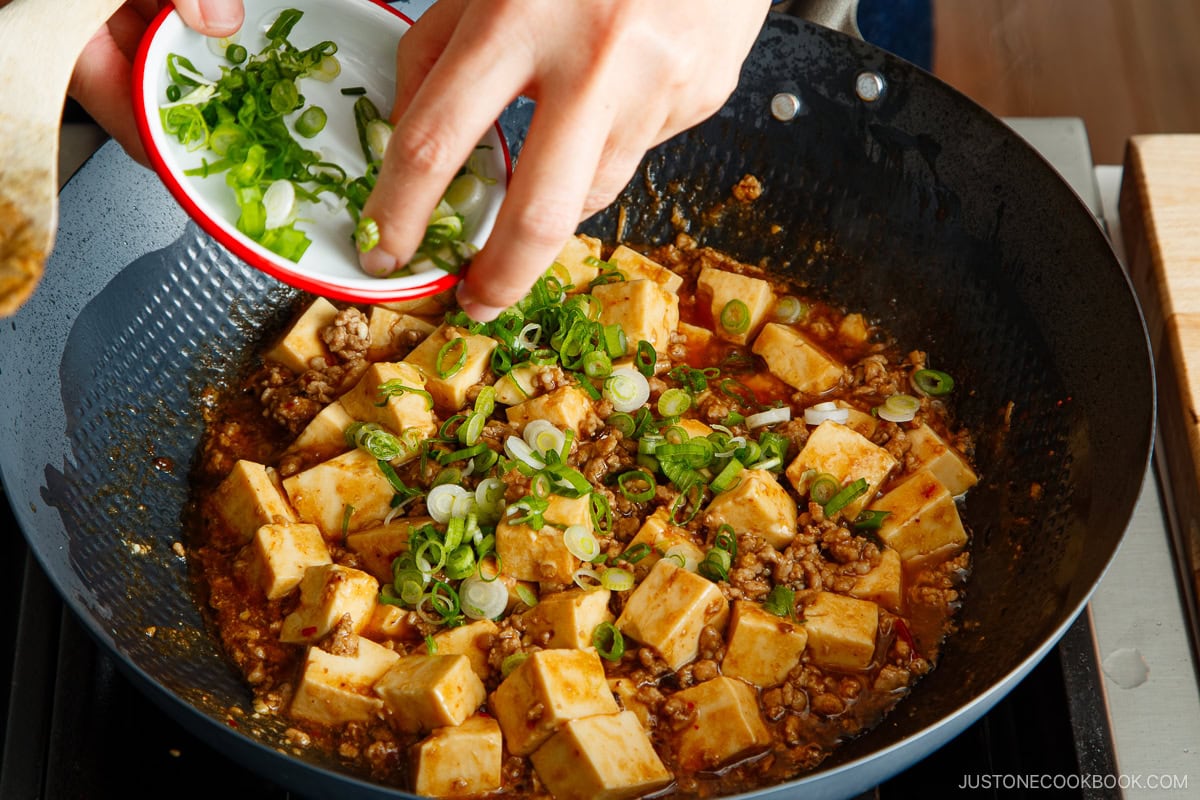
Tofu needs seasoning because it has a mild, neutral flavor.
Start by removing excess water so the tofu can absorb seasonings. Then cook it with salt, soy sauce, miso, or a marinade. Heat also matters. Pan-frying, baking, or grilling helps concentrate flavor and improve texture.
Tofu tastes best when seasoned before and during cooking, not just at the end.
Why Pressing Tofu Matters
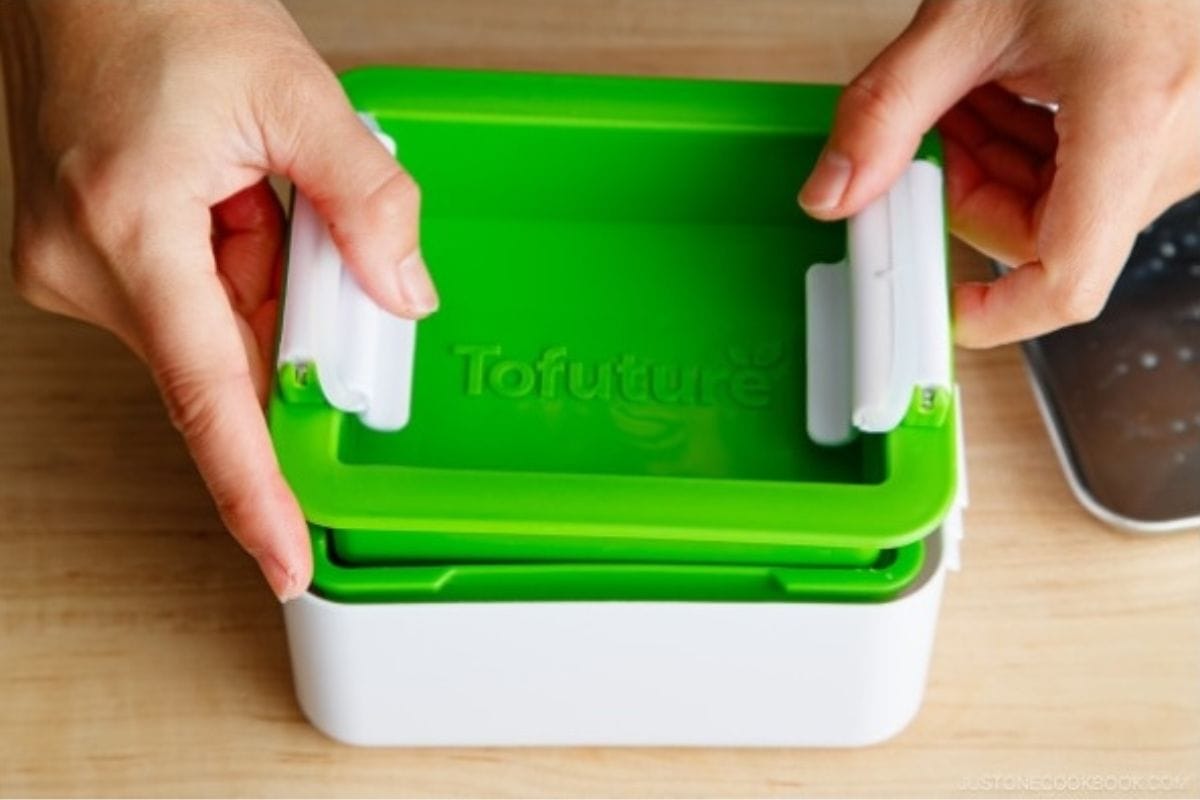
Pressing tofu removes excess water.
Less water means better texture and better flavor. Pressed tofu browns more easily, becomes firmer, and absorbs marinades more effectively. This step is especially important for firm and extra-firm tofu used in stir-fries or pan-frying.
Silken tofu does not need pressing.
FAQs
Why does tofu taste bland?
Tofu tastes mild because it’s mostly made of soybeans and water, with no seasonings added during production. Its high water content—especially in silken and soft tofu—further dilutes the flavor.
This mild taste is intentional. Tofu easily absorbs sauces and seasonings, so it becomes flavorful once cooked. When prepared properly, tofu can be savory, spicy, rich, or even sweet.
Where can I buy tofu?
Most US grocery stores carry at least one or two types, often in the refrigerated section with meat-substitute products or the produce section with Asian vegetables.
Japanese and Asian grocery stores offer diverse options such as flavored, deep-fried, egg tofu, yuba, noodles, and fermented.
What to do with leftovers?
If you don’t use an entire block, place the leftovers in an airtight container, soak them in cold water, and refrigerate for up to 3 days. Replace the water every day.
Can I freeze it?
You can freeze it. Chop them into cubes, freeze them on a baking sheet, and transfer them to a freezer container once they harden. Thaw on the counter for at least an hour before cooking, and squeeze out any extra moisture. It will have a firmer, chewier, and almost sponge-like texture. You can cook it just as you would fresh.
What are the health benefits of tofu?
It is high in protein and contains all the essential amino acids your body needs. Here are just some of the many nutritional benefits.
- Contains soy isoflavones, which may help lower blood pressure; high levels of which may increase your risk of heart disease
- Lowers LDL (harmful cholesterol levels)
- High in calcium, manganese, and iron
- May promote brain and bone health
- Enhance the skin and hair, boost energy, and help maintain a healthy weight.
Delicious Recipes Using Tofu
- Hiyayakko (Cold Tofu)
- Yudofu (Hot Tofu)
- Mapo Tofu
- Green Bean Shiraae (Mashed Tofu Salad)
- Vegan Poke Bowl
To Learn More
Wish to learn more about Japanese cooking? Sign up for our free newsletter to receive cooking tips & recipe updates! And stay in touch with me on Facebook, Pinterest, YouTube, and Instagram.